
Travel Email & CRM
Email Marketing & CRM for Travel Businesses
Turn enquiries and past guests into bookings with travel-focused email strategy, CRM segmentation, automation and retention campaigns.

Commercial approach
Monetise first-party customer data before constantly reacquiring customers.
Diagnose
Find the commercial and customer constraint behind email marketing for travel agency.
Build
Connect the offer, message, conversion path and accountable owner.
Improve
Review qualified actions and commercial evidence, not surface activity alone.
Selected delivery evidence
Real work, shown with honest context
These supplied portfolio materials demonstrate delivery experience and the evidence used during an engagement. Client identifiers are omitted where appropriate. Historical account results are not forecasts or guarantees.

CRM and growth credential
Supplied credentialA supplied HubSpot agency credential relevant to connected content, CRM and lifecycle measurement work.
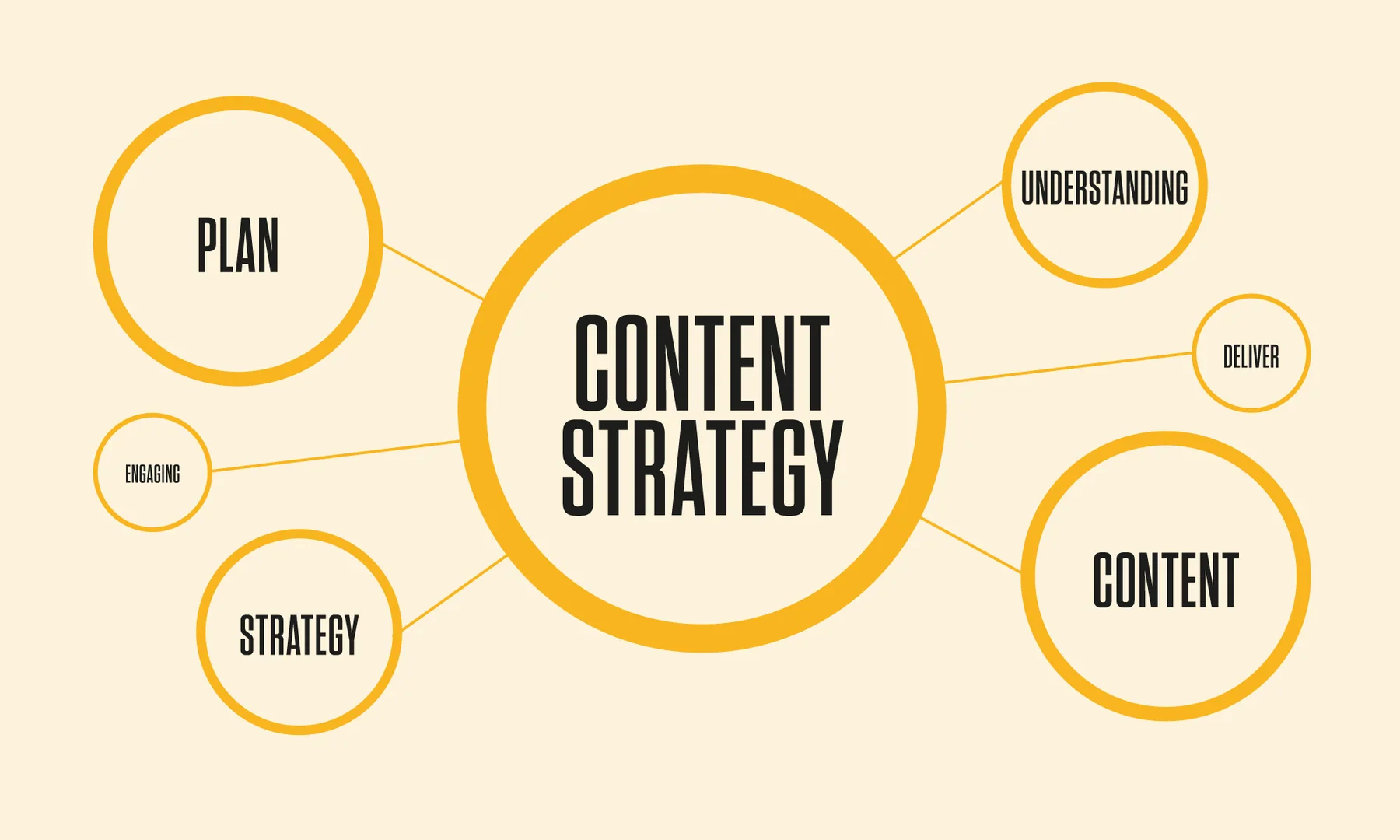
Content strategy capability
Delivery capabilityContent is planned around traveller questions, destination expertise, commercial pages and a maintainable publishing workflow.
Analytics and reporting
Delivery capabilityMeasurement plans connect acquisition channels to meaningful traveller and commercial actions, with attribution limits stated clearly.
Commercial mandate
A commercial approach to email marketing for travel agency
Email marketing for a travel agency should preserve context from the first enquiry and use permissioned customer data to make follow-up more relevant. The goal is not a larger newsletter list; it is a dependable relationship system for active leads, booked guests, past travellers and people with genuinely useful preferences.
Travel decisions may take days or months, while departures, seasons and customer interests change. A CRM can connect source, destination, party, timing and sales stage so the next message reflects what the person actually asked about. Broadcast newsletters, transactional messages and automated journeys each need a distinct purpose and lawful basis.
TripOne+ approaches travel email & crm as part of the complete traveller and operator journey. The work connects email automation, CRM, segmentation, newsletters and repeat bookings to the offer, the customer decision and the team's ability to respond. That keeps email marketing for travel agency focused on commercial usefulness instead of activity for its own sake.
Delivery system
Strategy, execution and measurement stay connected.
01 / Service architecture
What email marketing for travel agency needs to accomplish
A useful email marketing for travel agency strategy begins by defining the decision it supports. The reader should be able to identify who the offer is for, what is included, where it applies, what happens next and which limitations remain. For tour operators; agencies; dmcs, this usually requires a clear relationship between products, packages, destinations, dates, capacity, customer records and the acquisition channel that created the interaction. When those relationships are fragmented, teams repeat work and visitors encounter inconsistent answers.
email automation, CRM and segmentation are especially important within this work. email automation supplies context for the initial decision; CRM shapes how that decision is executed; and segmentation helps the business validate or communicate the result. The exact configuration will vary by operator, but the principle is stable: each important part should have an owner, an update process and a defined place in the customer journey.
The commercial outcome is qualified demand, direct enquiries and attributable bookings. That outcome cannot be inferred from page views alone. The business must distinguish discovery metrics from qualified enquiries, booking requests, confirmed bookings and retained customers. This page therefore uses conversion-oriented language while remaining careful about what TripOne+ currently does: it structures websites and connected payment-free operating workflows, while external processors or reservation systems may still own payment and real-time inventory when required.
- Define the traveller or operator decision behind “email marketing for travel agency”.
- Assign a reliable source for email automation, CRM, segmentation.
- Connect the page to a real enquiry, booking, comparison or planning action.
- Measure completed outcomes separately from visits and button clicks.
02 / Service architecture
How the travel email & crm engagement works
The audit maps forms, inboxes, spreadsheets, CRM fields, consent records, segments, templates, automations, deliverability and unsubscribe handling. It samples records to find missing ownership, duplicate contacts, stale stages and promises that no longer match available products.
A compact lifecycle defines new enquiry, qualified opportunity, proposal, booking, pre-trip, completed trip and re-engagement stages. Segments use useful facts such as destination interest or past purchase instead of sensitive profiling. Automation handles consistent timing and routing while staff retain control where judgement or personal service matters.
Every message should help the traveller make or complete a decision. Enquiry follow-up restores the requested context, pre-trip email reduces uncertainty, post-trip communication supports care and review requests, and retention campaigns offer relevant ideas without pretending to know more than the customer shared.
- CRM data, consent and lifecycle audit
- Lead stages, ownership rules and field dictionary
- Segmentation and preference framework
- Enquiry, pre-trip, post-trip and retention journeys
- Accessible modular email templates
- Deliverability, conversion and data-quality dashboard
03 / Service architecture
How the moving parts fit together
Search engines and customers both benefit when the information architecture reflects the real business. A travel company is an organisation; its tours, activities, rentals and packages are offers; destinations are places; departures and availability describe time and capacity; customers and leads represent people at different stages. Travel Email & CRM becomes easier to navigate when these parts have stable URLs, consistent names and meaningful relationships rather than being buried in one long generic page.
For this topic, the connected areas are email automation, CRM, segmentation, newsletters and repeat bookings. Each should be introduced in plain language, used where it answers a question and linked to a deeper page when the reader needs more detail. Useful depth comes from explaining relationships: how email automation affects CRM, where segmentation enters the workflow, which team owns the information, and what changes for the customer when something is incomplete.
A strong hub-and-spoke structure gives Email Marketing & CRM for Travel Businesses a clear role. The hub explains the complete problem and routes readers to specialist services, tools, templates, comparisons or platform capabilities. Supporting pages answer narrower questions and link back with descriptive anchor text. This creates contextual internal linking without manufacturing dozens of location-and-keyword combinations that offer no distinct value.
04 / Service architecture
Measurement and evidence
Delivery, bounce, complaint and unsubscribe rates protect list health. Replies, qualified conversations, recovered enquiries, repeat bookings and attributable revenue provide stronger commercial evidence. Open rates are treated cautiously because privacy features can inflate them.
Monthly review combines message performance with CRM stage movement and booking samples. It identifies which segments receive value, where automation creates confusion and which records need correction rather than celebrating send volume.
Operating roadmap
Build the system, then earn the right to scale it.
The remaining work turns channel activity into a governed, customer-safe growth programme.
Common risks to control
The strongest programme protects accuracy, customer trust and operational capacity while it grows demand. These are the failure modes reviewed most closely for email marketing & crm for travel businesses:
- Importing contacts without a valid permission basis
- Automating from inaccurate or incomplete CRM fields
- Sending generic offers to every traveller
- Optimising open rate while replies and bookings decline
Conversion design and user experience
Conversion rate optimisation begins with clarity. The headline should confirm the visitor is in the right place; the introduction should frame the result; and the page should reveal proof, process and limitations before asking for commitment. The call to action “Build My Email System” is positioned as the next logical step, not as a substitute for missing information. Secondary links support readers who need a calculator, checklist, comparison or deeper platform explanation first.
On mobile, the content must remain scannable without becoming shallow. Descriptive headings, short paragraphs, clear topic cards, expandable FAQs and adequately sized controls help readers move through a long guide. Images should establish context rather than interrupt the decision. Focus indicators, semantic landmarks, labelled inputs and readable contrast are necessary conversion features because a journey that excludes keyboard, low-vision or small-screen users is both less useful and commercially weaker.
Trust should be specific and verifiable. Show real contact routes, explain what happens after an enquiry and state whether the next step is a consultation, external booking page or TripOne+ booking request. Do not create urgency, review totals or market-leading claims without supporting data. For tour operators; agencies; dmcs, accurate expectations reduce poor-fit enquiries and give the team a better opportunity to respond well.
Measurement, governance and continuous improvement
Measure the journey in layers. Discovery includes impressions, qualified visits and entry pages. Consideration includes product views, comparison activity, itinerary engagement and return visits. Intent includes contact clicks, form starts, booking requests and external booking clicks. Commercial outcomes include qualified leads, confirmed bookings, revenue and retention only when those records are available. This structure prevents a high click-through rate from being presented as proven sales performance.
Create a review cadence for travel email & crm. Weekly checks can identify broken forms, campaign anomalies and urgent availability issues. Monthly reviews can assess content paths, lead quality and conversion friction. Quarterly reviews can revisit positioning, taxonomy, internal links and the relationship between acquisition cost and customer value. Name the person responsible for each review so the system does not rely on a vague expectation that someone will notice problems.
Use experiments carefully. Change one meaningful variable, document the hypothesis and preserve enough time or volume to interpret the result. A small travel operator may learn more from customer interviews and session-level evidence than from an underpowered statistical test. The goal is not endless optimisation theatre; it is a dependable process for finding uncertainty, improving the experience and observing whether customer behaviour changes.
A practical 30, 60 and 90-day roadmap
Month one cleans the lifecycle, consent and ownership foundations, protects deliverability and launches a reliable response journey for new enquiries.
By day 60, introduce useful segments, pre-trip and post-trip communication, then test one retention campaign against a clearly defined audience and offer.
By day 90, compare CRM progression and booking evidence, remove weak automations and document the ongoing data-quality and campaign calendar.
How TripOne+ supports the next step
TripOne+ combines a travel-focused website builder with structured products and services, packages, destinations, enquiries, customers, bookings, availability and operational resources. The deterministic generation system uses business data and editable rules rather than an external AI writing API. That makes the relationship between an input and the published result visible, while the shared renderer keeps builder previews and published pages aligned.
For email marketing & crm for travel businesses, the practical next step is to choose a specialist partner and define a measurable brief. Use the framework above to prepare accurate inputs, then choose “Build My Email System” when the business is ready to continue. TripOne+ can provide the website and workflow foundation; specialist payment, reservation, distribution or advertising platforms can remain connected where they are the appropriate source of truth.
Direct answers
Frequently asked questions
What emails should tour operators send?
Start with the option that resolves the real customer or operating decision. In this context that means connecting email automation, CRM and segmentation to a clear owner, accurate source and measurable next step. Avoid selecting features by quantity alone; test one representative product and the complete mobile journey before expanding.
Can you work with our CRM?
It can be supported when the required information and workflow are configured accurately. For tour operators; agencies; dmcs, confirm the role of CRM, segmentation and newsletters, the system that owns each record and the action that completes the journey. Provider-specific payment, inventory or advertising capabilities should be verified against current documentation before purchase.
How do you increase repeat bookings?
Email Marketing & CRM for Travel Businesses should be evaluated through accurate inputs, a complete customer journey and observable outcomes. Use segmentation, newsletters and repeat bookings as the initial review set, document assumptions and validate the result with real operating evidence rather than unsupported claims.
How should email marketing for travel agency be measured?
Measurement should follow the commercial journey rather than stop at traffic. Establish a baseline for discovery, qualified enquiries, booking requests and confirmed outcomes where those records are available. Review email automation, CRM and segmentation together, document attribution limits and avoid presenting an impression, click or message as revenue without supporting booking evidence.
What should tour operators; agencies; dmcs prepare before starting?
Prepare the current offer catalogue, destination and product information, customer questions, access to relevant systems, existing performance records and a named decision owner. Confirm which details are authoritative and which are assumptions. This makes the first working session useful and prevents a new travel email & crm process from reproducing outdated information.
How does this support more direct travel bookings?
Direct bookings improve when owned discovery, accurate offer information, trust, a clear mobile action and reliable follow-up work as one journey. Email Marketing & CRM for Travel Businesses contributes by reducing uncertainty and connecting the visitor's context to an enquiry or booking workflow. It should complement appropriate distribution partners rather than rely on unsupported promises or remove channels without a transition plan.
How often should this travel email & crm work be reviewed?
Review critical customer-facing information whenever products, prices, schedules, suppliers or platform behaviour change. Review performance and workflow quality on a regular operating cadence, then complete a deeper quarterly assessment. Seasonal tour operators; agencies; dmcs may need more frequent checks before peak demand so published information and team capacity remain aligned.